Colliers’ data shows per‑lot costs down 4.3pc to $126,811, but rising authority charges and PSP gridlock are set to push development expenses back towards $134,000 by FY27.
Victoria’s residential land market is facing a critical juncture, with falling civil construction costs offering temporary relief amid mounting structural pressures that continue to delay new housing supply.
The latest Colliers Engineering & Design 2026 Cost Per Lot Report reveals that Victoria’s average development cost per lot has declined for the first time in several years, dropping 4.3 per cent year‑on‑year to $126,811, down from $132,535 in 2024.
However, these gains are increasingly being eroded by rising statutory charges, planning bottlenecks and rigid staging frameworks, which are collectively slowing project delivery and adding layers of complexity for developers attempting to bring new land to market.
A Market Under Strain Despite Strong Demand
Affordability barriers, higher interest rates and constrained supply of serviced en globo land continue to weigh heavily on buyer activity. Developers are contending with elevated vendor expectations, rising authority charges and delays in infrastructure delivery, all of which are stretching the timeframes and costs associated with bringing new lots to market.

While construction costs had softened through 2025 and into early 2026, emerging macroeconomic pressures, including key material shortages linked to geopolitical instability in the Middle East, are reintroducing volatility. Contractors are reporting tightening availability of reinforced concrete pipes, resin, and petroleum‑based products, creating upward cost pressure across transport‑dependent materials.
Subsurface Constraints Widen Cost Variability
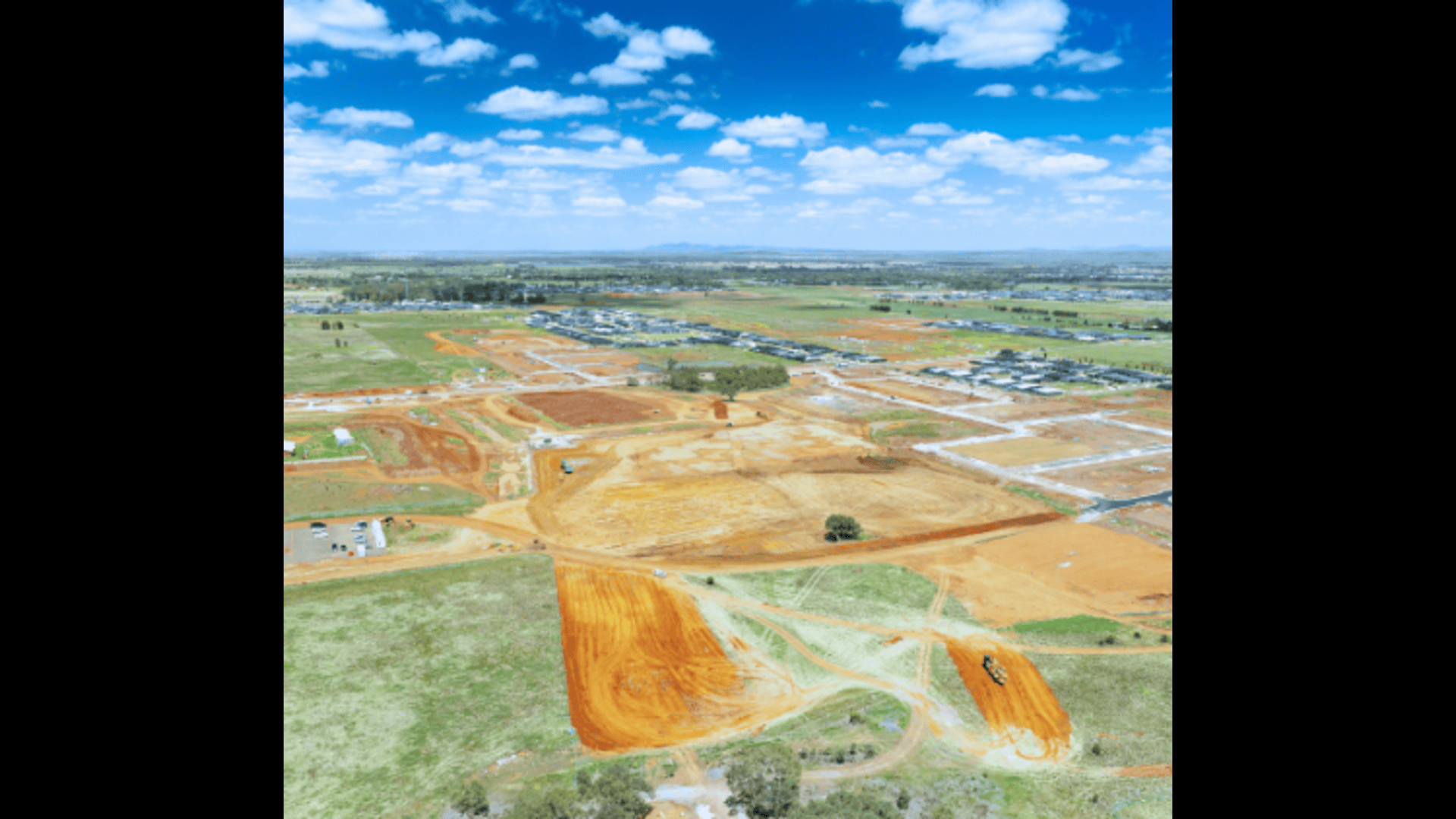
Cost differentials across Melbourne’s growth corridors are becoming increasingly pronounced. According to Colliers’ findings, rocky subgrades in the city’s north and west are inflating drainage, sewer and earthworks budgets by approximately 20 per cent compared to the more favourable clay‑based conditions in the southeast.
Colliers Director of Strategic Development, Chris Gallaugher, said, “Victoria’s average cost per lot fell 4.3 per cent year on year in 2025, driven by a more competitive contractor market, even as authority charges continued to rise. Fees and statutory charges now account for more than $51,000 per lot, around 40 per cent of total development costs.”
Mr Gallaugher added, “Lengthy planning delays and rigid sequencing within Precinct Structure Plans (PSPs) are also prolonging development timeframes, even after initial approvals have been secured.”
Strong Land Demand Reinforces Need for Faster Approvals
Despite these cost and delivery challenges, Victoria’s underlying demand for land remains robust. New Colliers research shows Melbourne’s greenfield land market recorded its strongest performance since 2022, with annual sales surging 40 per cent year‑on‑year to approximately 8,100 lots in 2025. Developers have strategically aligned supply with demand, maintaining stable prices despite tightening titled‑lot availability and ongoing affordability pressures.
Terry Portelli, National Director, Land Marketing | Residential at Colliers, commented, “Demand for well‑located land in Melbourne remains resilient, even through affordability pressures. Developers have been incredibly disciplined in matching supply with demand, and buyers are responding positively to stable pricing and flexible negotiations. But the next phase of momentum will depend heavily on how construction costs and credit conditions evolve over the coming 12 months.”
Outlook: Cost Pressures to Re‑accelerate
Although 2025 delivered some easing in contractor‑led pricing, Colliers expects total per‑lot development costs to rise again by FY27, normalising around $134,000, as statutory fees continue to escalate and infrastructure‑related bottlenecks persist.
The interplay of strong demand, constrained supply, rising statutory costs and infrastructure dependencies underscores the urgency for planning reform and improved sequencing within growth‑area frameworks.
Related Articles