The Hidden Value Driver in Warehouses and Industrial Assets That Investors Are Overlooking
1 June 2026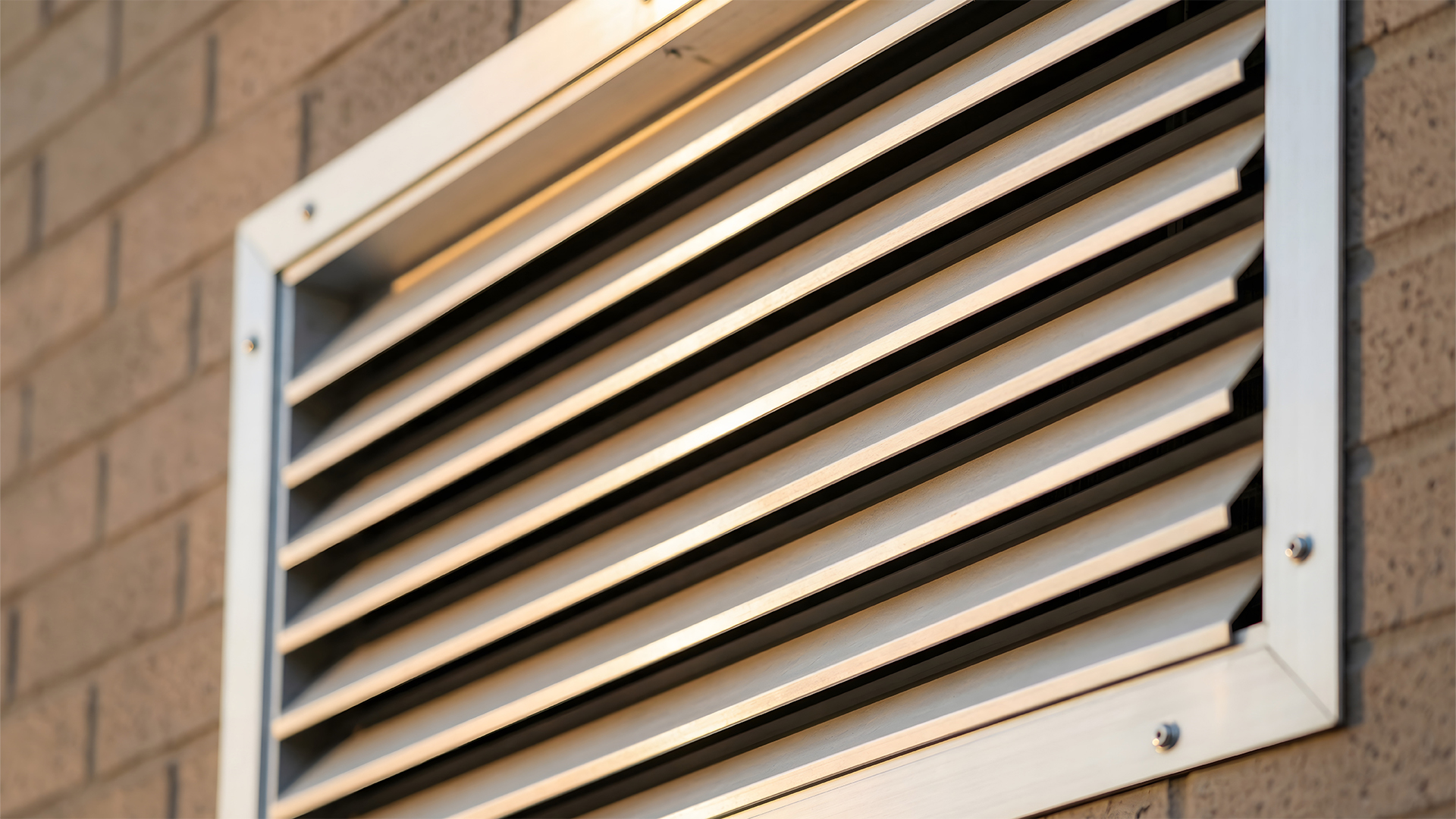
Over the past few years, industrial property has become one of Australia’s strongest-performing asset classes. As a result, warehouses, logistics hubs, and industrial estates are attracting strong demand from tenants who want practical, well-located spaces to house their modern business operations.
That said, many investors still focus heavily on the obvious factors when assessing industrial assets. Namely, land size, lease terms, truck access, and location. But another factor also influences its long-term performance. Building functionality.
This separates average industrial properties from high-performing ones. Primarily, because as warehouse tenants become more selective, investors are paying closer attention to how industrial buildings operate on a day-to-day basis. With a particular focus on airflow, ventilation, heat management, and energy efficiency
In fact, in many cases, these aspects are actually influencing tenant demand, operating costs, and future resale appeal. Let’s look more closely at this hidden value driver that many investors overlook when evaluating warehouses and industrial assets.

Why Are Some Industrial Properties Increasing in Value Faster Than Others?
We all know that two warehouses in the same suburb can deliver very different outcomes, and often, that is down to the building itself. That is why many modern tenants are looking for more than just basic storage space. Searching instead for warehouses that are comfortable to work in, cheaper to run, and capable of supporting staff, machinery, and inventory without creating unnecessary problems.
This is particularly important in a country like Australia, where many industrial facilities constantly deal with high temperatures, humidity, and rising energy costs. It might also explain why buildings with poor ventilation, excessive heat, or outdated infrastructure often struggle to compete with newer industrial developments on anything other than price.
What Hidden Building Features Are Investors Paying Attention To?
Industrial investors are becoming more aware of certain features that are becoming increasingly important indicators of tenant satisfaction and building performance.
One area that has received more attention recently is passive airflow design. Warehouses can trap large amounts of heat during warmer months. Especially in facilities with machinery, roller doors, and limited natural airflow. However, features such as roof ventilation systems, insulated roofing, and Airocle’s fixed louvres are going a long way towards helping industrial buildings improve airflow without relying entirely on expensive mechanical cooling systems.
Why this matters so much is that commercial warehouse ventilation can directly affect operating costs and staff comfort. Effectively, poor airflow can create uncomfortable indoor conditions that increase heat buildup and place extra pressure on cooling systems. Over time, that can affect tenant retention and lead to an increase in maintenance costs for building owners.
How Does Poor Ventilation Affect The Performance and Running Costs of a Warehouse?
Ventilation problems can create several issues inside industrial buildings, such as warehouses. The most common of which is arguably heat buildup.
In a country like Australia, large roof spaces absorb significant heat during summer, particularly in older industrial buildings with limited airflow systems. Therefore, when hot air becomes trapped inside a warehouse, temperatures can quickly become uncomfortable for workers. It can also cause problems relating to storing temperature-sensitive products. This often forces tenants to rely heavily on fans and air conditioning, which increases their electricity usage and operating expenses.
Energy efficiency in warehouses is also becoming increasingly important as businesses seek more ways to control their overheads. As a result, tenants are paying closer attention to a building’s energy-consumption potential before signing long-term leases.
Warehouses with poor airflow may also experience moisture and condensation problems. This can affect stock, equipment, and internal building materials over time, causing headaches for industrial property asset management teams. Not least because these issues can eventually lead to higher repair costs and reduced tenant appeal.
Why Is Better Airflow So Important in Industrial Buildings?
The industrial workforce has changed significantly over the past decade. This has resulted in many warehouse tenants now operating advanced logistics systems, technology equipment, packing stations, and staff facilities. All of which require more comfortable indoor conditions than older industrial buildings were originally designed for.
At the same time, workplace expectations have also shifted to the point where businesses want warehouses that not only support their staff’s wellbeing and engagement, but also remain cost-effective to operate. It’s one of the main reasons why sustainable warehouse design is becoming more attractive across the Australian industrial property market.
Improved airflow in a warehouse can make it feel cooler, fresher, and more comfortable during long working hours. That may sound simple. But for businesses operating large facilities, maintaining a good level of indoor comfort can influence everything from productivity and staff retention to the company’s overall day-to-day operations.
How Can Passive Ventilation Improve Energy Efficiency in Warehouses?
Passive ventilation systems are becoming increasingly common in modern industrial developments as more people understand their potential to improve energy efficiency.
Rather than relying entirely on mechanical cooling, passive airflow systems work by encouraging natural air movement throughout the building. This approach can help reduce heat while lowering your dependence on expensive cooling systems.
For warehouse owners, that creates several potential advantages. For one, reduced cooling demand may lower energy bills. Additionally, better airflow improves indoor conditions across large industrial spaces.
They are also increasingly understanding that ways to increase warehouse value are no longer limited to cosmetic upgrades or office fit-outs. Instead, many are now looking at how buildings function operationally over the long term. Realising that, in many cases, tenants are willing to pay more for industrial facilities that are easier and cheaper to operate.
How Are Fixed Louvres Used in Modern Industrial Design?
Fixed louvres are becoming a more common feature in industrial and commercial construction projects across Australia because they are designed to improve airflow while still offering protection from rain, debris, and harsh weather conditions. In warehouse environments, this can create more natural ventilation without fully exposing the building to the external elements.
For industrial properties, that balance can be invaluable. That’s because warehouses often require constant airflow, especially in warmer climates or in facilities that are storing machinery and equipment. Fixed louvres can help achieve better airflow management while contributing to a cleaner, more functional building design.
What this means is that as industrial property investment trends continue to evolve, investors are increasingly seeking infrastructure upgrades that offer practical long-term benefits rather than short-term cosmetic appeal.
Related Articles