Time lines for property development are usually shaped by hundreds of moving parts. Some are obvious, such as planning approvals and the availability of labour. But others take more of a backseat role and only really become visible when something goes wrong.
One such element is reinforcing steel. While it rarely gets the spotlight, it plays a huge role in keeping the project on schedule and budget, and making sure it is structurally sound.
This article will explain how reinforcing steel fits into the bigger picture. It will also outline why it deserves more attention from developers, builders, and project managers across Australia.
Why Do Property Developments Get Delayed?
Fundamentally, delays in property development often arise from coordination issues. That’s because projects rely on a sequence of activities that need to happen in the right order, and at the right time. When one part doesn’t go to plan, the entire timeline shifts.

Some of the most common causes of delays in property development include labour shortages, weather disruptions, and financial issues. Additionally, the availability of material is an important factor. Construction material supply chain issues have become more visible in recent years. Especially with global disruptions, such as the current Hormuz crisis, impacting delivery times.
Even a short delay in receiving key materials can stall progress across multiple trades. For example, concrete pours get pushed back, structural work sits idle, and labour schedules need to be reshuffled. These delays often compound, which can lead to rising costs and extended timelines.
What Is Reinforcing Steel?
Reinforcing steel (often called rebar) is used within concrete to provide it with additional strength and stability. Generally speaking, concrete performs well under compression. However, adding reinforcing steel provides it with greater support under tension. Together, they form the backbone of most modern structures.
When you see a building foundation, slab, or column, reinforcing steel is working beneath the surface. It plays a vital role in maintaining structural integrity and meeting Australian building standards.
Many projects use reliable reinforcing steel suppliers Sydney REO, to ensure that materials meet the required specifications and arrive when needed. Quality and timing both matter here because any issues with supply or fabrication can significantly disrupt the construction process.
How Exactly Does Reinforcing Steel Impact Construction Project Timelines
Reinforcing steel is used in several key stages of construction. As it is required before concrete can be poured, it sits directly on the project’s critical path.
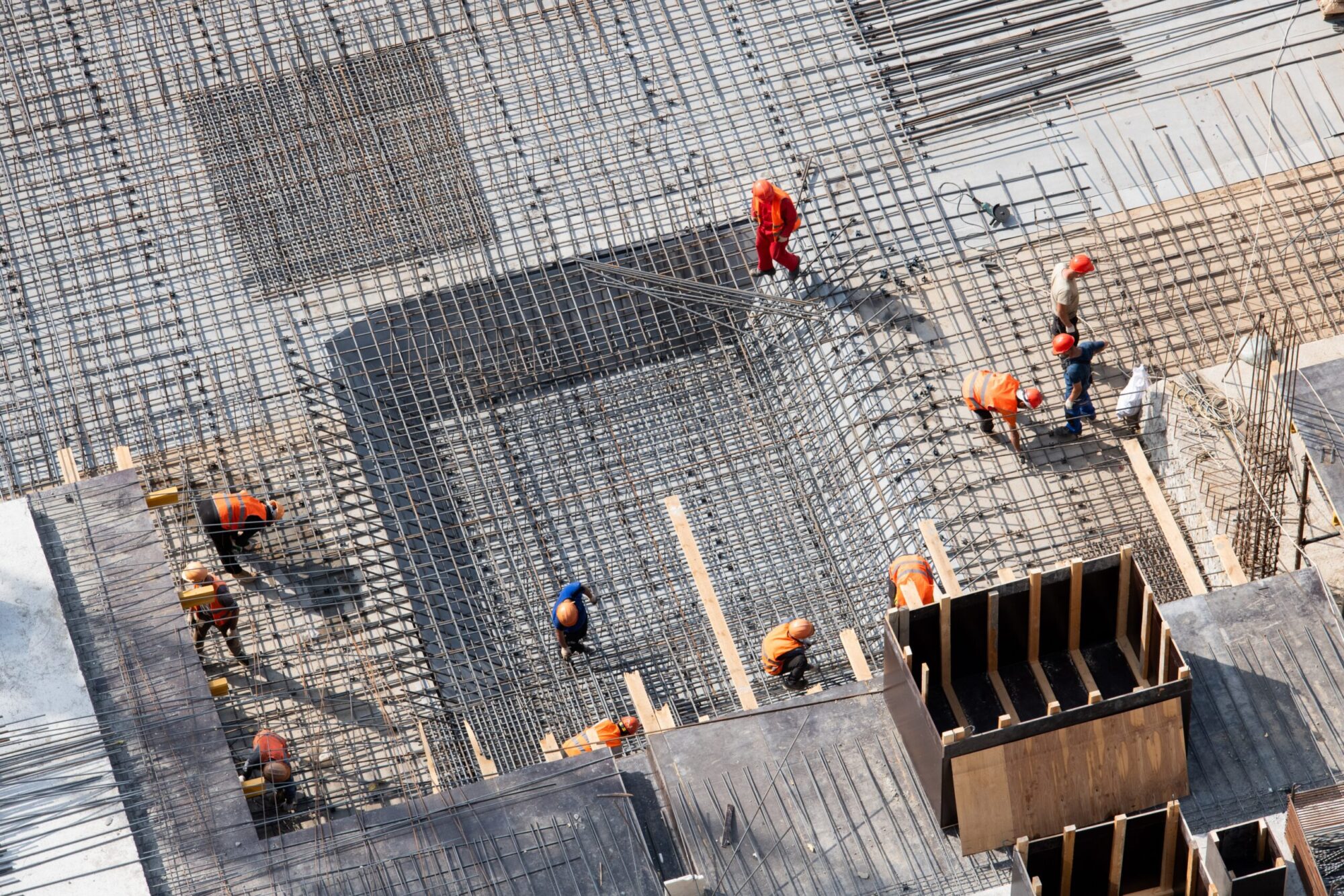
The rebar installation process includes cutting, bending, placing, and securing the steel in accordance with engineering drawings. This work must be completed accurately and inspected before concrete is poured.
In the context of construction project timelines in Australia, any delay in this stage can create a potentially damaging bottleneck. This can result in concrete crews possibly needing to wait. Formwork schedules may also be shifted, and subsequent trades could be affected.
What Is the Link Between Rebar Supply and Construction Delays?
Unfortunately, rebar supply and construction delays often go hand in hand. Primarily, this is because when reinforcing steel does not arrive on time, project progress tends to slow down immediately.
Supply chain challenges can arise from manufacturing delays, transport issues, or miscommunication between suppliers and contractors. In fact, construction material supply chain issues have made it clear how vulnerable timelines can be when procurement is not managed closely.
For developers, this highlights the importance of planning ahead. Just by ordering reinforcing steel early, confirming delivery schedules, and maintaining clear communication with suppliers, they can notably reduce the risk of unexpected delays.
What Common Mistakes Do Developers Make with Reinforcing Steel?
Reinforcing steel is sometimes treated as a routine item in the construction planning process. This, unfortunately, is a mindset that can often lead to avoidable mistakes.
One common issue is underestimating lead times. This largely happens when developers assume steel can be sourced quickly, only to then find there are delays in fabrication or delivery. Another challenge is poor coordination between project teams, which occurs when engineers, contractors, and suppliers don’t stay aligned throughout the process.
In the broader context of project management within the construction industry, communication gaps can create unnecessary delays. A simple, small oversight in ordering or scheduling can ripple through the entire project, which is why better planning and clearer communication are essential to help to minimise these risks.
How Better Reinforcing Steel Planning Can Help You to Avoid Delays
The best way to avoid delays in the reinforcing steel process is to plan it proactively. Specifically, it should be treated as a priority item, not an afterthought.
Developers can improve outcomes by incorporating building schedule optimisation strategies into their planning process. This can include aspects such as early procurement, detailed scheduling, and regular progress checks.
It is also important to work with clear documentation. Just by having accurate drawings and specifications at your disposal, you will go a long way towards reducing the risk of errors during the fabrication and installation process.
To put it simply, when everyone works from the same information, projects run a lot more smoothly.
Why Is Reinforcing Steel Often Overlooked in Project Planning
Essentially, reinforcing steel operates behind the scenes because it is not visible once the concrete is poured. This is one reason why it does not receive the same attention as finishes or design features.
This lack of visibility can lead to it being overlooked during planning. For instance, teams may focus on more visible elements while assuming the structural components will fall into place.
In reality, reinforcing steel sits at the core of the construction process because it influences both structural integrity and project timelines. Subsequently, giving it the attention it deserves can make a noticeable difference in how smoothly and quickly a property development project will progress.
If you are experiencing delays, here is how you can turn around a troubled development.
Related Articles