New Colliers data shows improving fundamentals setting the stage for steady growth through 2026.
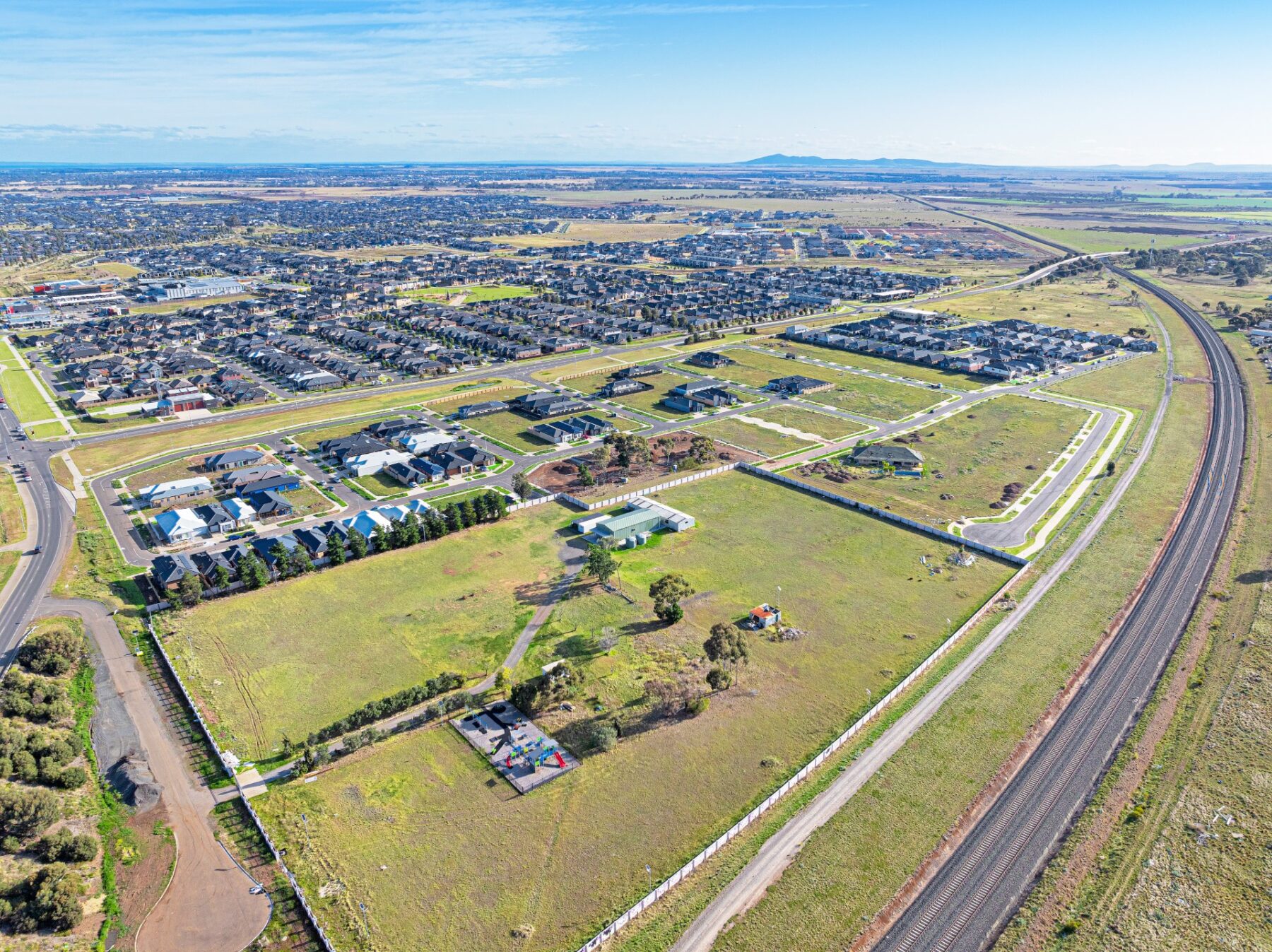
Melbourne’s land market is entering a more constructive phase, with improving sales momentum, tightening availability and stronger absorption levels, which points to a market that has transitioned from correction to recovery.
New Colliers data shows sales rates strengthened throughout 2025, with average absorption rates reaching 22 per cent, the highest level in three years. That momentum has continued into the opening months of 2026, signalling renewed buyer confidence and improving market depth across key growth corridors.
At the same time, land availability has tightened to its lowest level since July 2024, indicating demand is beginning to outpace new supply as buyers re‑engage with the market.

Hoang Vo‑Tran, Research Manager | Residential at Colliers, said, “The land market has moved through a period of recalibration and is now showing clear signs of stabilisation and recovery. While buyers remain disciplined, improved financing conditions and more realistic pricing have supported a pickup in transactions without the volatility seen in earlier cycles.”
Across Cardinia, Hume, Whittlesea and Casey, the average time on market has shortened to approximately three months, a notable improvement that reflects stronger competition for well‑located, appropriately priced land. By comparison, metropolitan Melbourne is averaging around five months, consistent with 2025 but trending more positively as supply tightens.
Following elevated supply levels through 2023 and 2024, which extended selling periods and gave buyers greater choice, the market has now absorbed a significant portion of surplus stock. This has created a healthier balance between supply and demand, particularly across growth areas supported by infrastructure, employment access and community amenity.
Terry Portelli, National Director, Land Marketing | Residential at Colliers, commented, “We’re seeing buyers return with confidence, particularly in established growth corridors where amenity, transport and education investment is already in place. The combination of steady sales rates, improving absorption and reduced availability suggests the market is regaining its rhythm.”
While buyers remain value‑focused and commercially astute, the improving fundamentals are shortening decision‑making cycles and supporting stronger sales performance across quality land projects.
“The opportunity this market presents is choice without oversupply. For developers, this is a window where measured release strategies and well‑positioned product are being met with consistent demand,” Mr Portelli added.
Looking ahead, Colliers expects 2026 to remain underpinned by stable interest rates, gradually improving affordability settings and disciplined land release strategies. These factors are anticipated to support continued absorption across Melbourne’s land market, with conditions favouring well‑located projects that align with buyer expectations around value, lifestyle and long‑term growth.
As availability continues to tighten and buyer confidence builds, Melbourne’s land market is positioned to deliver more consistent sales outcomes, reinforcing the city’s status as one of Australia’s most resilient and attractive land development markets.
Related Articles