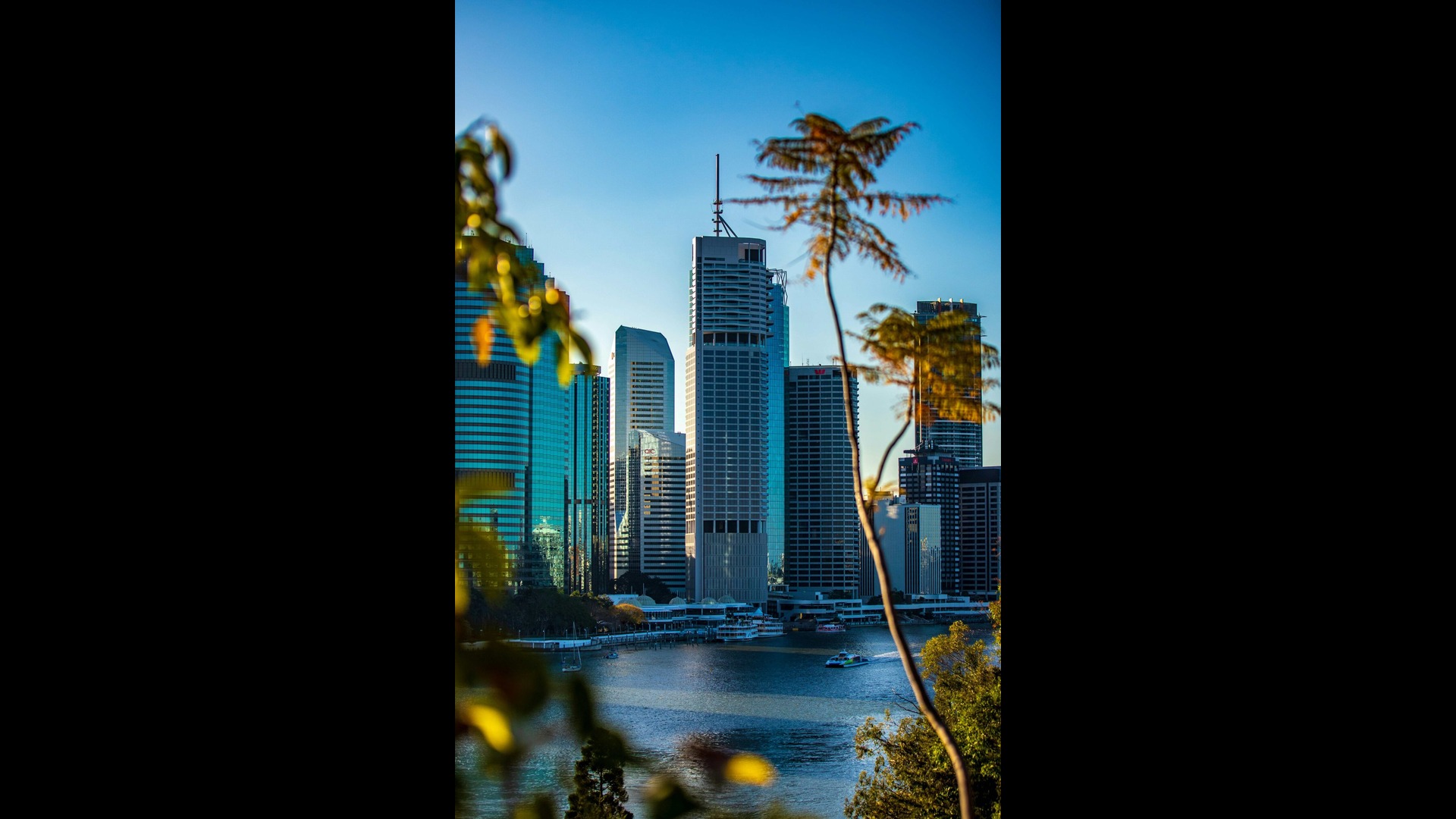
Prime tenant demand and rental growth remain strong in Brisbane’s CBD office market, according to Knight Frank research.
The firm’s Brisbane CBD State of the Market Q2 2026 report found prime gross effective rents grew by 7.3% in the 12 months to the end of June 2026, and while the pace of rental growth has moderated from last year, it is still well above the 10-year average of 4.5%.
The research also found prime incentives were stable in Q2 at 37.5% but remain on a downward trend.
Meanwhile, Secondary effective rents grew 6.9% annually with incentives stable at 39%.

Knight Frank Partner, Research & Consulting, Queensland Jennelle Wilson said prime gross effective rents in Brisbane’s CBD office market were expected to increase by an average of 5.7% per annum over the next five years.
“Fundamental demand at the upper level of the market, coupled with limited completions in the next five years, will see rent growth remain high to January 2031,” she said.
“2026 will be devoid of new office supply, with two refurbishment projects – 450 Queen Street and 150 Charlotte Street – in 2027 being the next additions.
“Post the late 2028 completion of Waterfront North, the next round of projects will come on line between 2030 to 2032.
“No new supply and ongoing net absorption will see the Brisbane CBD office market vacancy rate fall over the course of 2026, and we expect it will drop below 10 per cent in 2028.”
Knight Frank Partner, Head of Office Leasing, Queensland Mark McCann said tenant activity over the past 18 months had been focused on prime stock.
“Professional services have dominated leasing activity, at 31 per cent of transactions, followed by Government at 15 per cent,” he said.
“Within this the legal sector dominated, followed by architects and engineers, but there was strong leasing activity across the remaining professional sectors such as accounting, management and consulting services.
“Tenant renewal has remained an ongoing trend, as suitable alternatives are difficult to secure within required timeframes and the cost of new fitouts remains a disincentive if the existing space remains functional.
“Occupiers have opted to renew leases rather than relocate, deferring larger accommodation decisions through to 2030 to 2032 or increasingly seeking to take their expiry beyond the Olympic period.
“We expect ongoing steady tenant demand over the remainder of 2026, which will be concentrated in the upper grades for the time being, however demand is expected to lift for project space related to major infrastructure and sporting facility builds, which will flow through to the A and B-grade assets.”
Related Articles