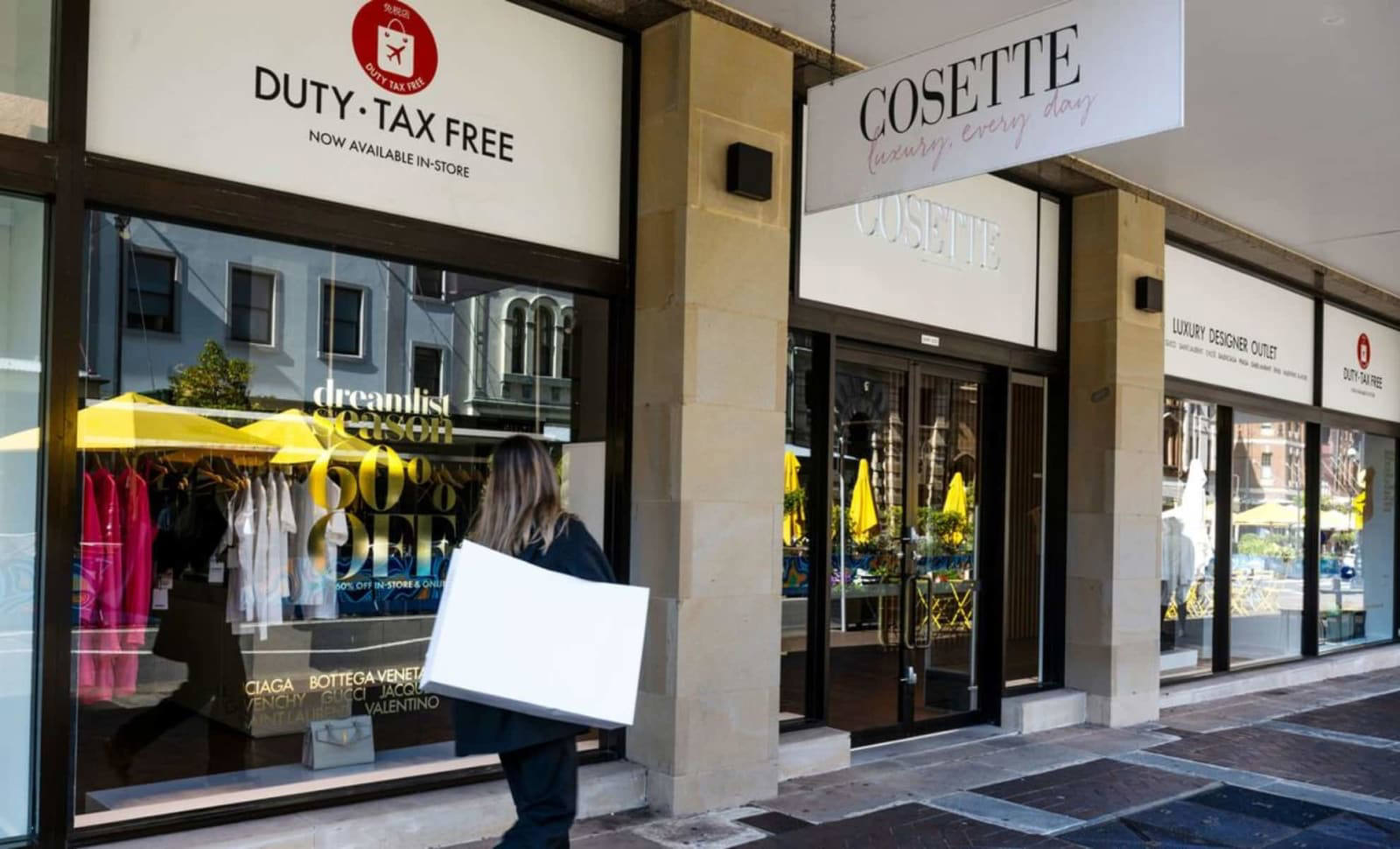
Australian luxury discount retailer Cosette has announced it will close its Sydney warehouse and operations after more than 11 years in business, marking another notable exit in the country’s fashion and specialty retail sector. While the company is not entering administration or liquidation, the shutdown adds to a growing list of retail brands reducing or ending their physical footprint, a trend commercial leasing stakeholders should watch closely.
Founded as a luxury reseller offering designer goods at discounted prices, Cosette built a strong customer base and brand recognition in Australia’s competitive fashion market. In its public statement, the company said it had served more than 140,000 customers and remained grateful for their loyalty, but acknowledged that shifting market conditions ultimately changed the operating landscape.
From a leasing and retail property perspective, the closure highlights ongoing structural pressures affecting discretionary and luxury-adjacent retail categories, particularly those operating hybrid warehouse, showroom, and distribution models.
Part of a Broader Retail Contraction Pattern
Cosette’s exit is not isolated. Several established Australian fashion brands have recently announced store and online closures, including:
- Fletcher Jones – closing remaining physical stores and its website
- Sass & Bide – shutting down both physical and online operations
This pattern reflects mounting pressures across apparel and specialty retail, including:
- Softer discretionary spending
- Higher operating and occupancy costs
- Margin compression in discount and resale segments
- Increased competition from global online platforms
- Heightened consumer scrutiny around authenticity and sourcing
For commercial landlords and leasing managers, fashion retail, once a dependable traffic driver, is becoming more polarised between high-performing flagship concepts and digitally led brands with minimal physical presence.
Commercial Leasing Implications
From a commercial leasing standpoint, closures in premium and specialty retail categories carry several implications:
1. Reduced Demand for Retail Space
When a long-running business like Cosette exits, it directly reduces demand for leased retail space, particularly in prime locations where rents are higher. Vacant spaces can stay vacant longer if other retailers are cautious about expansion given market pressures.
2. Higher Vacancy Risk in Boutique/Luxury Segments
Cosette’s departure could signal a shift in consumer behaviour (e.g., less appetite for luxury discount retail, more online shopping, cautious discretionary spending). Other boutique brands may also reassess physical store commitments, increasing vacancy risk in that niche.
3. Impact on Nearby Businesses
Retail closures also affect nearby smaller tenants (cafés, services) that benefit from foot traffic. A vacant anchor or traffic-driving tenant can reduce overall visitor numbers, indirectly affecting demand for leased spaces around it.
4. Consumer Perception and Brand Trust
There was a prolonged period where Cosette faced public controversy and customer complaints about product authenticity, even though regulators later cleared the business of selling counterfeit items, which may have affected foot traffic and trust in physical retail presence. For landlords, this underlines the importance of brand reputation and stability when selecting tenants.
What Leasing Professionals Should Watch Next
Retail exits like Cosette’s are not simply brand stories, they are early indicators of category stress. Leasing professionals should monitor:
- Discount luxury and resale retail performance
- Apparel category consolidation
- Warehouse-retail hybrid occupiers
- Trust-sensitive retail segments
- Occupancy cost ratios for discretionary retailers
Access to verified tenant performance data, category benchmarks, and occupancy trend insights, such as those available through LeaseInfo analytics, can help leasing teams better assess tenant resilience and leasing risk in a shifting retail environment.
For detailed retail lease data and portfolio benchmarking insights, subscribe to Commercial Leasing News by LeaseInfo.
Related Articles