Victoria is staking a bold claim in Australia’s fast-growing data centre race, offering investors a promise of minimal regulation in a bid to attract the nation’s largest new facilities over the next five years.
The strategy, outlined by Minister for Economic Growth and Jobs Danny Pearson in comments as reported by the Australian Financial Review, positions Victoria as an open-for-business alternative to NSW, which is considering levies to make data centres pay for the strain they place on power and water networks.
Pearson said the state would avoid imposing new regulatory hurdles and would only step in if unforeseen problems emerged. In a rapidly evolving artificial intelligence landscape, he argued, regulation risks becoming obsolete before it is even implemented.
“AI is moving too fast for heavy-handed rules,” Pearson said, stressing that even a bespoke or fast-tracked approvals process could take 18 months to establish, time Victoria believes it cannot afford to lose.
High stakes amid political and energy pressures
The approach carries political risk. Victoria’s Labor government is seeking a fourth term at an election due in November, with voters grappling with cost-of-living pressures and rising electricity prices. Data centres already account for about 2 per cent of Australia’s national electricity consumption, a figure projected to rise to 6 per cent by 2030 as AI and cloud computing expand, according to Climate Council estimates.
Pearson countered concerns about energy demand by arguing that large, modern data centres are more efficient than dispersed individual computing systems. He also said operators typically secure long-term power purchase agreements with renewable energy providers, helping to stabilise supply and prices.
Hyperscale focus over smaller facilities
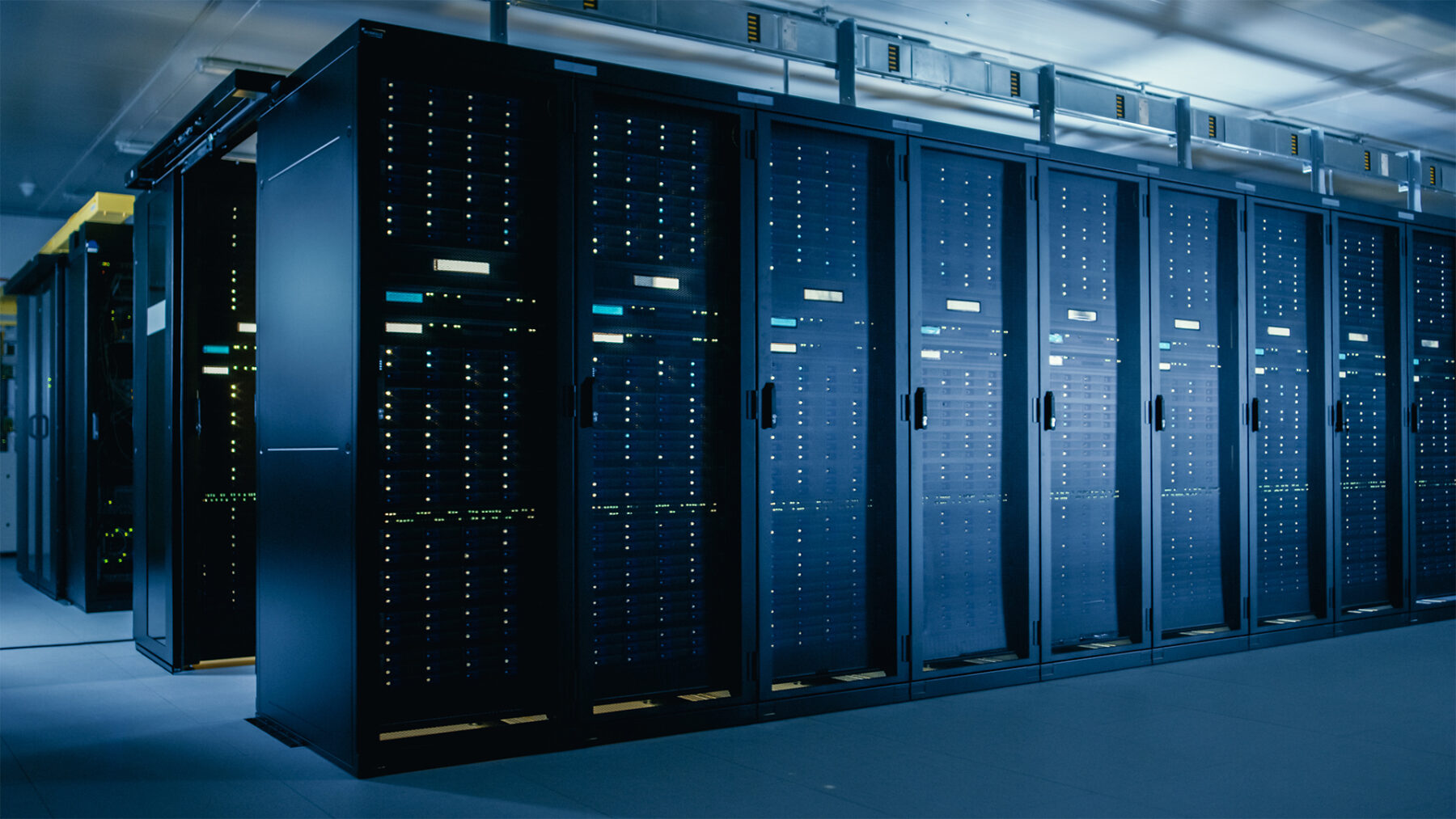
Victoria’s ambition is not just growth, but scale. The government is targeting “hyperscale” facilities, potentially drawing as much as 600 megawatts each, rather than multiple smaller, older centres. Pearson said a single large, cutting-edge facility could deliver far greater economic value than several outdated sites.
To support the push, the state has committed $5.5 million to help with planning and site selection for data centres, alongside $8.1 million to retrain workers whose jobs are most at risk from AI disruption. A new mission statement also pledges to manage competing demands for transport, energy and water, including recycled water, to ensure data centres are built sustainably.
Racing for global relevance
Premier Jacinta Allan and Pearson are betting that speed and certainty will outweigh regulatory caution. The government is pressing ahead even before the completion of a federal Labor strategy on data centre investment, framing the sector as a once-in-a-generation opportunity.
Beyond domestic demand, Victoria is eyeing a role as a regional AI and cloud computing hub. Time zone advantages, Pearson said, could allow Melbourne-based facilities to service Asia-Pacific markets as workloads move around the globe.
For investors, the message is clear: Victoria wants capital, scale and innovation, and is prepared to clear the runway first and regulate later if needed.
Related Articles