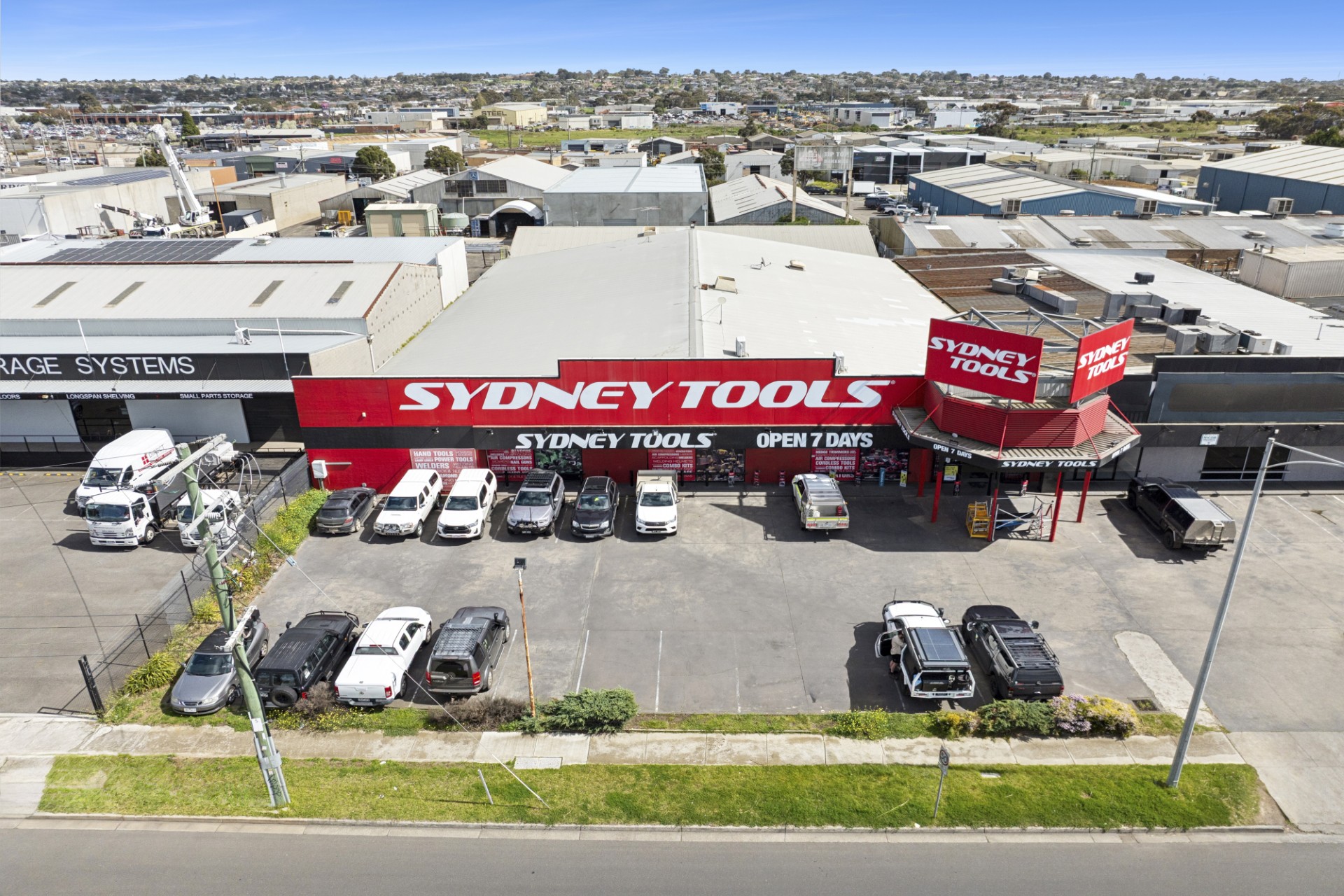
Ampol’s proposed $1.1 billion acquisition of more than 500 EG Australia service stations has moved into a Phase 2 review by the Australian Competition and Consumer Commission (ACCC), after the regulator raised concerns the deal could lessen competition in key metropolitan fuel markets.
If approved, the acquisition would combine two major fuel retailers and materially expand Ampol’s national footprint, placing it on a similar scale to rival Viva Energy. The ACCC has flagged competition risks across Brisbane, Canberra, Melbourne and Sydney, as well as at a local level around more than 100 individual sites.
While the transaction is firmly rooted in the fuel retail sector, its scale means the outcome will also have flow-on effects for service station property portfolios and leasing structures across Australia.
Why This Matters for the Fuel Retail Industry
Australia’s fuel retail market is becoming increasingly consolidated, with major operators seeking scale to manage margin pressure, supply chain complexity and the rising costs of site upgrades and convenience retail.
The ACCC’s scrutiny highlights how market concentration in fuel retail remains a key regulatory focus, particularly in metropolitan areas where competitive tension can directly affect fuel pricing and consumer choice.
For operators, the review creates uncertainty around:
- Network scale and market positioning
- Future capital investment in sites
- Brand and supply arrangements tied to specific locations
Implications for Service Station Leasing and Property
Service stations are a core fuel retail asset class, typically supported by long-term leases, strong trading covenants and high-exposure roadside locations. Many EG and Ampol sites also include convenience retail formats and land suitable for future redevelopment or alternative use.
If the ACCC requires site divestments or structural changes to the transaction, potential leasing and property outcomes may include:
- Fuel retail assets returning to market, creating acquisition or reletting opportunities
- Lease renegotiations linked to changes in operator, branding or covenant strength
- Delays to redevelopment or capital upgrade plans, particularly where ownership is uncertain
- Increased attention on how fuel retail regulation influences property strategy
What to Watch
For fuel retailers, landlords and advisors alike, the Ampol–EG review reinforces that regulatory oversight can materially shape fuel network strategy and asset outcomes.
Understanding how competition regulation intersects with fuel retail operations and property portfolios is becoming increasingly important when assessing site performance, tenant security and long-term income resilience.
For detailed retail lease data and portfolio benchmarking insights, subscribe to Commercial Leasing News by LeaseInfo.
Related Articles