CBRE is consolidating its position as a strong force in Australia’s healthcare real estate sector, following a decisive run of transactions across medical, imaging and day hospital assets nationally, backed by a rapidly expanding Healthcare & Social Infrastructure team that now operates as a unified platform across both Private Wealth and Institutional Capital.
The momentum caps a sustained period of activity that has seen CBRE transact close to $100 million in healthcare assets above $15 million since November 2025, reinforcing the firm’s growing influence across both private and institutional capital markets.
Key transactions include
- PRP Imaging Blacktown ($19.55 million),
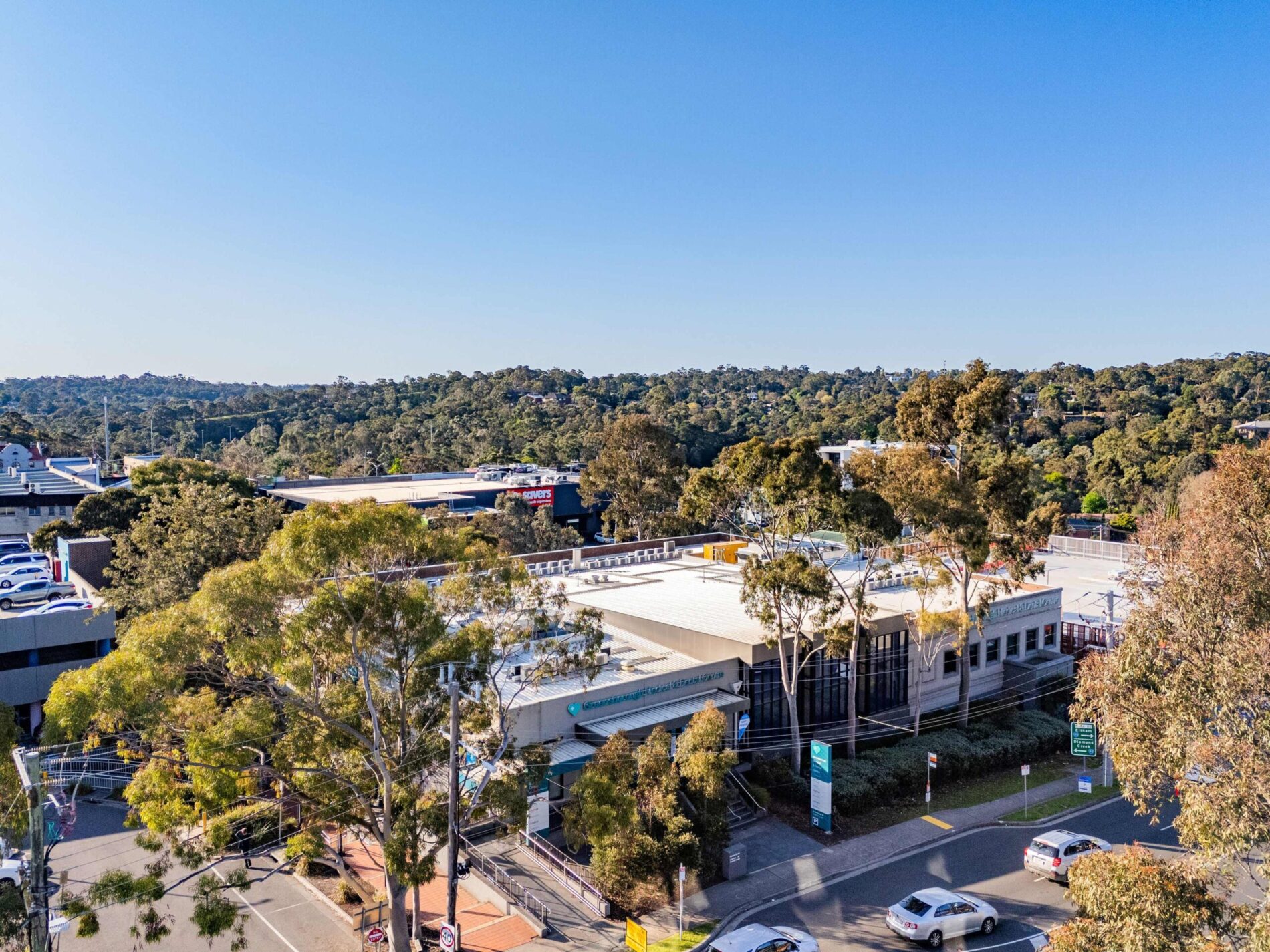
- Greensborough Medical Centre ($32.5 million), and
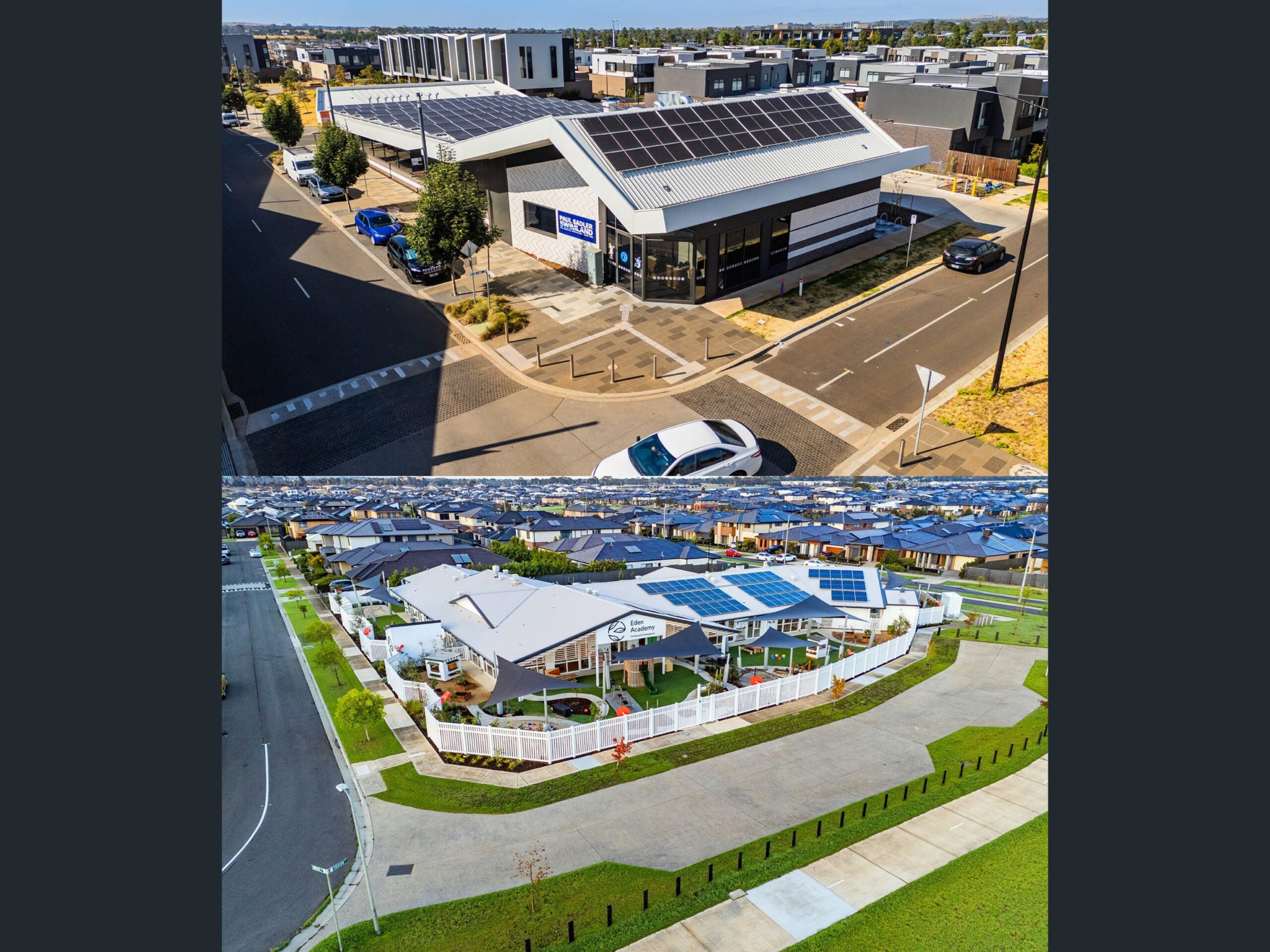
- 9–33 Errol Boulevard, Mickleham ($17 million), among other off-market and structured transactions across the eastern seaboard.
At a time when broader commercial real estate markets remain fragmented, healthcare continues to emerge as one of the few sectors demonstrating depth, liquidity and conviction with CBRE increasingly at the centre of that activity.
According to CBRE Data, since 2024, more than $1.68 billion of medical and healthcare assets have traded nationally. CBRE, including transactions made by recently acquired Burgess Rawson, has been responsible for approximately 46 per cent of that volume, equating to more than $773 million in transactions. The figures point to a market where access to capital is no longer the primary differentiator execution is.

Sandro Peluso, who leads CBRE’s Healthcare & Social Infrastructure platform nationally, said the group’s recent run of results reflects a clear shift in how healthcare transactions are being won.
“This is no longer a market where simply bringing an asset to market delivers an outcome,” Mr Peluso said.
“Capital is deep, but it is highly selective. The groups that are consistently transacting are those who understand how to position, structure and control the process from day one.”
Mr Peluso said CBRE’s national model spanning transactions from $1 million through to $200 million was enabling the firm to operate across the full capital stack, rather than being confined to a single buyer segment. “We’re not relying on one pool of capital. We’re running national campaigns that engage private, institutional and offshore buyers simultaneously and that’s what is driving competitive tension and outcomes.”
“In this environment, platforms that can’t operate across both Private Wealth and Institutional Capital are increasingly being left behind.”
Mark Granter, Executive Managing Director of Alternatives at CBRE, said healthcare’s defensive characteristics continued to underpin strong capital flows, particularly as investors recalibrate portfolios amid ongoing economic uncertainty. “Healthcare remains one of the most sought-after sectors for both domestic and international capital, underpinned by long-term structural demand and its role as essential infrastructure,” Mr Granter said.
“What we are seeing now is a more disciplined deployment of capital but that is only reinforcing demand for high-quality healthcare assets.”
The CBRE Healthcare & Social Infrastructure team focus on the healthcare, life sciences, childcare, aged care, retirement and land lease communities’ sectors, with dedicated teams servicing each sub-sector.
The national healthcare team comprising Jimmy Tat, Marcello Caspani Muto, Yosh Mendis, Geoff Sinclair, Josh Scaplon, Derek Barlow, Sam Mecuri, Rick Jacobson and Ned Looker continues to operate as a unified platform across both Private Wealth and Institutional Capital, leveraging CBRE’s global reach, including strong engagement through its Asian Services Desk.
Pipeline builds as new opportunities launched
Off the back of continued momentum, CBRE has launched two further healthcare opportunities expected to test the depth of the market.
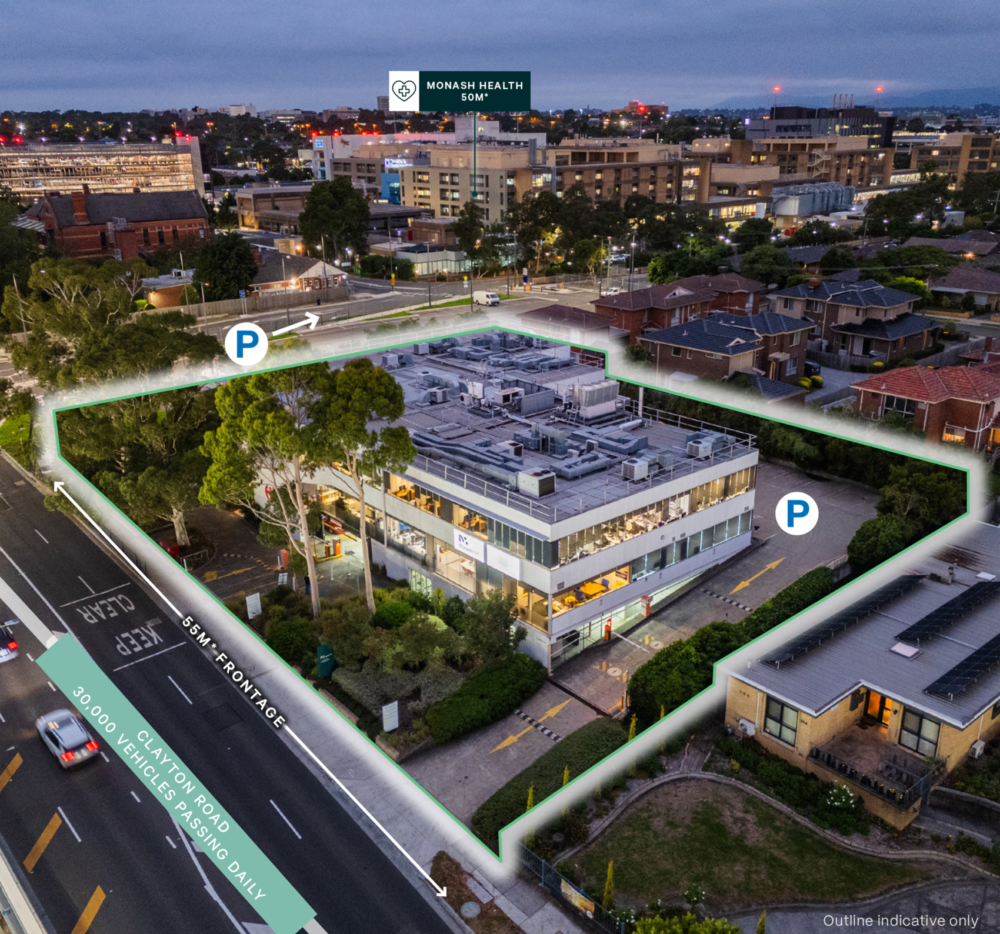
A vacant day hospital in Clayton, Victoria positioned within one of Melbourne’s most significant healthcare and life sciences precincts is expected to achieve circa $15 million, with repositioning or re-leasing upside expected to attract value-add capital.
In Sunbury, a large-format, fully operational super medical centre is anticipated to attract interest in the circa $25 million range, reflecting continued demand for scale and income security in metropolitan growth corridors.
Ingrid Filmer, Senior Managing Director, Private Wealth at CBRE, said the convergence between private and institutional capital was accelerating competition for healthcare assets.
“Healthcare has become one of the most competitive sectors for private capital, particularly as investors seek exposure to defensive, non-discretionary income streams,” Ms Filmer said. “What we are now seeing is private wealth competing directly with institutional capital for the same opportunities — and in many cases, moving with greater speed and flexibility.”
“In that environment, access, advice and execution are critical and that is where platforms with genuine national scale and connectivity are able to consistently outperform.”
Related Articles