McGees Property Adelaide Shopping Centre Retail Leasing Outlook 2026
Adelaide’s shopping centres are enjoying increased visitation as a result of evolving lifestyle patterns, according to McGees Property’s Shopping Centre Retail Leasing Outlook for 2026.
“Retail centres with strong local catchments are benefiting from increased suburban visitation, as the role of the centres themselves within their community continues to evolve,” said Hamish Pettigrew, Sales and Leasing Executive at McGees Property.
Adelaide’s retail performance in 2026 will be shaped by trends that are also being seen across the country.

“Overall conditions are being shaped by resilient spending, limited new supply, and a shift in tenant strategy toward efficient, experience-driven spaces,” he said.
“The acceleration of experience‑led retail and a greater integration of health and wellness into retail environments are part of the ongoing evolution of centres into multifunctional community hubs.
“Consumers continue to prioritise engaging, service‑based, and socially-oriented retail environments, prompting operators to evolve store formats, and prompting landlords to diversify tenancy mixes.
“Omnichannel retailing further reinforces the importance of physical stores for fulfilment, brand experience, and customer service.”
A stronger market
Pettigrew said most landlords can expect market performance across 2026 to strengthen modestly.
“We’re tipping there will be gradual rental uplift supported by stable demand and a constrained development pipeline, and increasing competition for high-profile and prominently-situated tenancies.
“Demand will be concentrated in central, convenience-oriented, and experience-focused precincts as retailers refine their store networks to support those omnichannel strategies.”
Pettigrew said the most likely tenants to be active in shopping centre leasing in 2026 are food and beverage operators – hotpot and self-serve style frozen yoghurt and açai offerings have been particularly active – as well as lifestyle and athleisure brands; value-driven retailers; and medical, allied health and wellness operators.
“These categories align closely with consumer spending priorities, which continue to favour dining, recreation, health, beauty, and every day-needs offerings,” Pettigrew said.
Due to high wage profiles, and rising costs of goods, many food and beverage operators are seeking prominent locations with high footfall, in precincts where dine-in and direct takeaway can take priority over ordering through third-party apps such as Uber Eats, which typically takes a circa 30% plus GST commission.
“This is mirrored by other categories, where retailers are considering how they can minimise their footprint, and therefore reduce running costs, whilst delivering their bricks and mortar offerings.”
Stabilising supply chains and improving household budgets are supporting renewed interest from fashion and lifestyle brands; while service-based operators remain resilient due to their ability to drive dwell time and repeat visitation,” Pettigrew said.
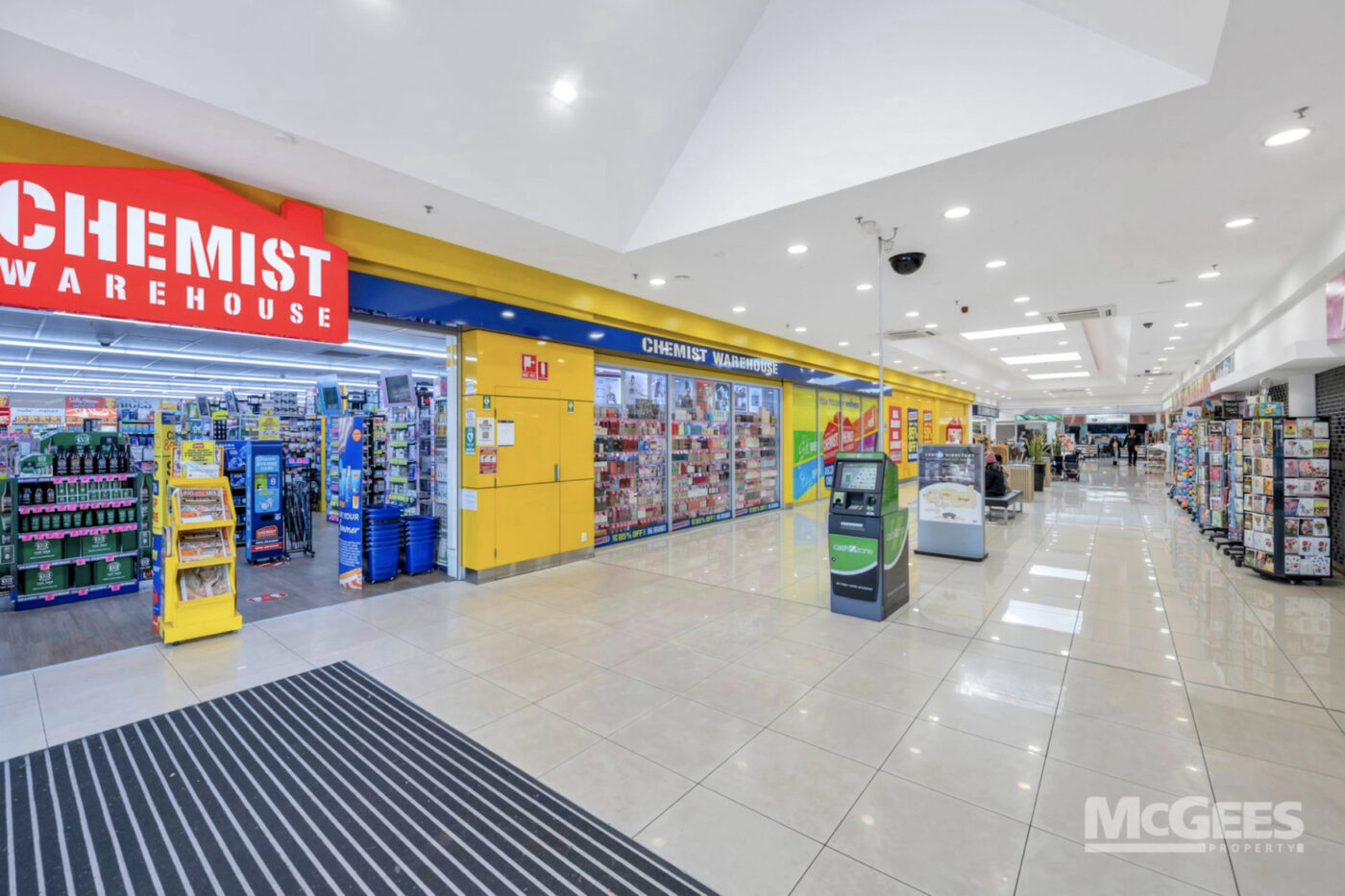
Existing centres will continue to evolve through active remixing, emphasising entertainment, medical, wellness, and dining.
Centre expansion activity will be supported particularly in neighbourhood and suburban centres where population growth remains robust.
McGees Property is actively working on the repositioning of several key retail assets, including establishing a fresh food precinct with a market feel in a centre for one high-profile client.
“We are working on some exciting opportunities to reposition centres including Hallett Cove Pavilion, the Port Mall, and the Arndale Shopping Centre – all of which have strong majors’ presence, and strategic positioning in high-growth and gentrifying areas,” Pettigrew said.
Related Articles