Colliers’ Australian Accommodation Supply Update shows hotel supply growth slowing amid rising build costs.
Australia’s hotel development cycle is entering a more constrained and selective phase, with new supply growth slowing materially and future openings increasingly diverted away from CBD cores, according to Colliers’ latest Australian Accommodation Supply Update.
The report shows that 2,339 new hotel rooms were delivered across Australia’s ten major accommodation markets in 2025, lifting total supply by just 1.3 per cent to 135,579 rooms. While new hotels opened across most capital cities, the pace of completions moderated sharply compared with earlier in the cycle, reflecting elevated construction costs, labour constraints and tightening development feasibility.
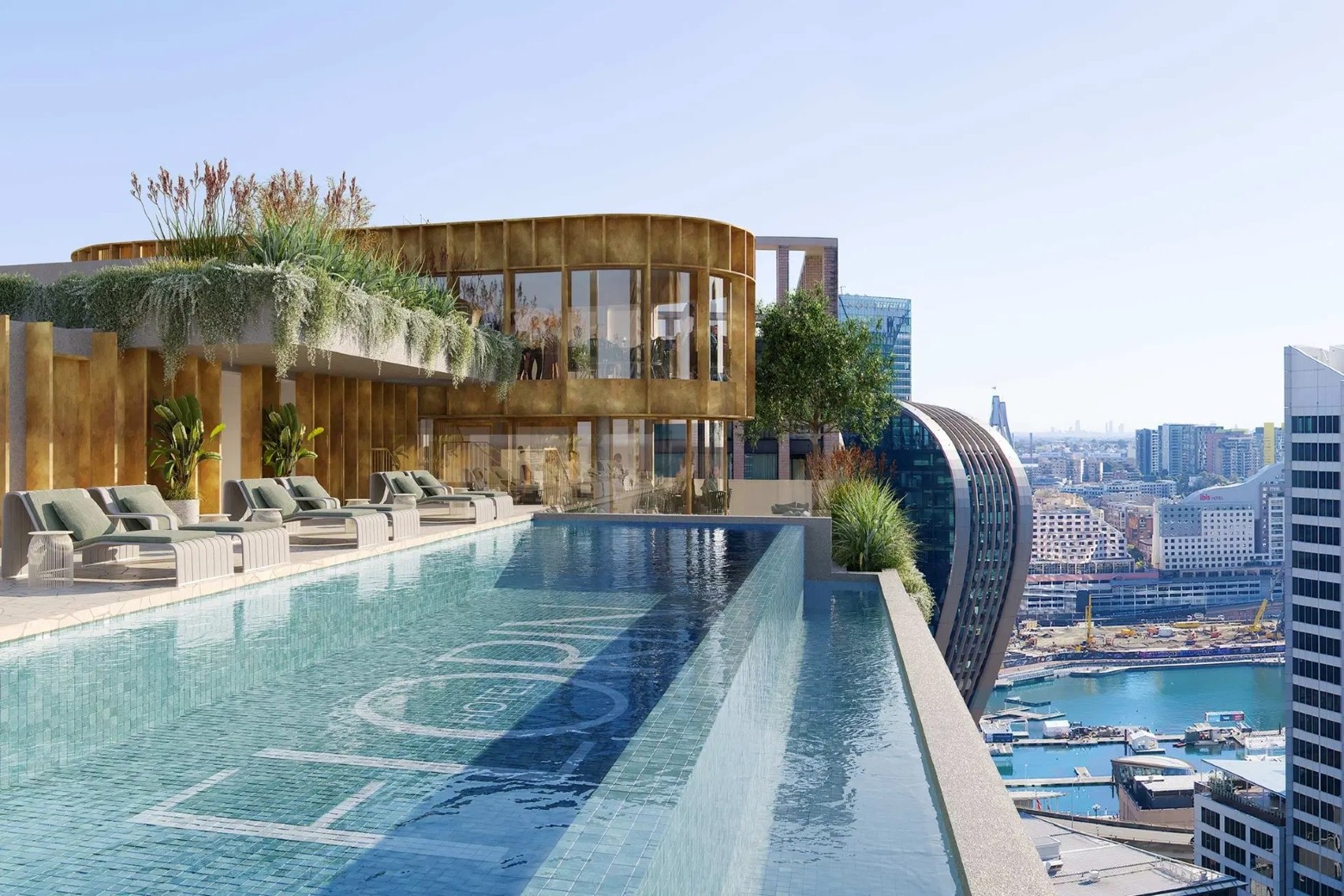
Melbourne recorded the largest net increase in supply, adding more than 1,014 rooms, followed by Sydney’s metropolitan markets and the Sydney CBD. Recent completions included the 1 Hotel Melbourne on the Yarra River, The EVE Hotel Sydney, 25hours Hotel Sydney The Olympia, and Lyf Bondi Junction, all of which are emblematic of the growing preference for experiential, design‑led accommodation assets.

Supply increasingly shifts beyond CBD cores
Looking ahead, Colliers has identified around 7,272 rooms currently under construction and scheduled to open through to 2028, with projected new openings skewed slightly towards 2026. Importantly, around 30 per cent of this pipeline sits outside core CBD hotel markets, particularly across metropolitan Adelaide, Brisbane, Melbourne and Sydney.
This geographic dispersion of supply is expected to materially reduce competitive pressure within established CBD hotel precincts, even as absolute room numbers continue to rise nationally.
Karen Wales, Head of Hotels, Transaction Services at Colliers, said, “New hotel supply hasn’t disappeared, but it has become far more selective as the supply cycle recedes. Pipeline projects are skewed towards metro locations and integrated precincts rather than delivering large volumes of new stock into CBD cores, which fundamentally changes the impact on existing assets.”
Major integrated projects such as Queen’s Wharf Brisbane, which is adding several hotels across multiple brands, reflect this trend, while other recent openings have been closely tied to urban renewal, transport infrastructure and tourism‑anchored precincts.
Construction costs cap future hotel growth
Construction costs remain the main structural constraint on new hotel development, despite some easing in the pace of tender price escalation during 2025. Absolute build costs remain well above pre‑pandemic levels, with RLB construction cost surveys indicating that upscale multi‑storey hotel development now equates to more than $830,000 per room in Sydney once construction and FF&E costs are combined.
According to Colliers, these settings are forcing developers and capital partners to reassess project timing, scope and, in some cases, viability altogether.
Ms Wales commented, “Feasibility is now the real handbrake on new hotel supply. Even where demand fundamentals are strong and operating performance is improving, construction pricing, funding terms and holding costs are preventing many proposed projects from moving forward.”
Looking ahead, Colliers expects new openings to peak in 2026, followed by a sharp moderation in annual completions. While the firm has identified more than 6,542 additional proposed rooms nationally, only a limited proportion are expected to commence under current market conditions.
Implications for investors and operators
From an investment perspective, the report suggests that slowing supply growth and elevated replacement costs are supportive of medium‑term fundamentals, particularly for well‑located CBD and inner‑city assets.
“Given today’s elevated replacement costs, existing hotels are becoming more valuable by default. This dynamic supports asset values, underpins refurbishment investment, and reinforces the long‑term appeal of quality hotel stock, particularly in markets where new supply is increasingly constrained,” Ms Wales added.
Related Articles