Australia’s commercial property market is showing clear signs of revival, with transaction volumes surging past $50 billion as confidence returns among major domestic and offshore investors. Several landmark deals close to the $1 billion mark have helped lift total activity, reinforcing expectations that the long downturn triggered by higher interest rates and inflation is easing.
According to the Australian Financial Review, preliminary data from MSCI indicates total commercial real estate transactions reached $50.8 billion this year, an 8 per cent increase on the previous year. The rebound reflects a market that has largely worked through valuation resets, tighter debt conditions and investor caution that followed the post-pandemic correction.
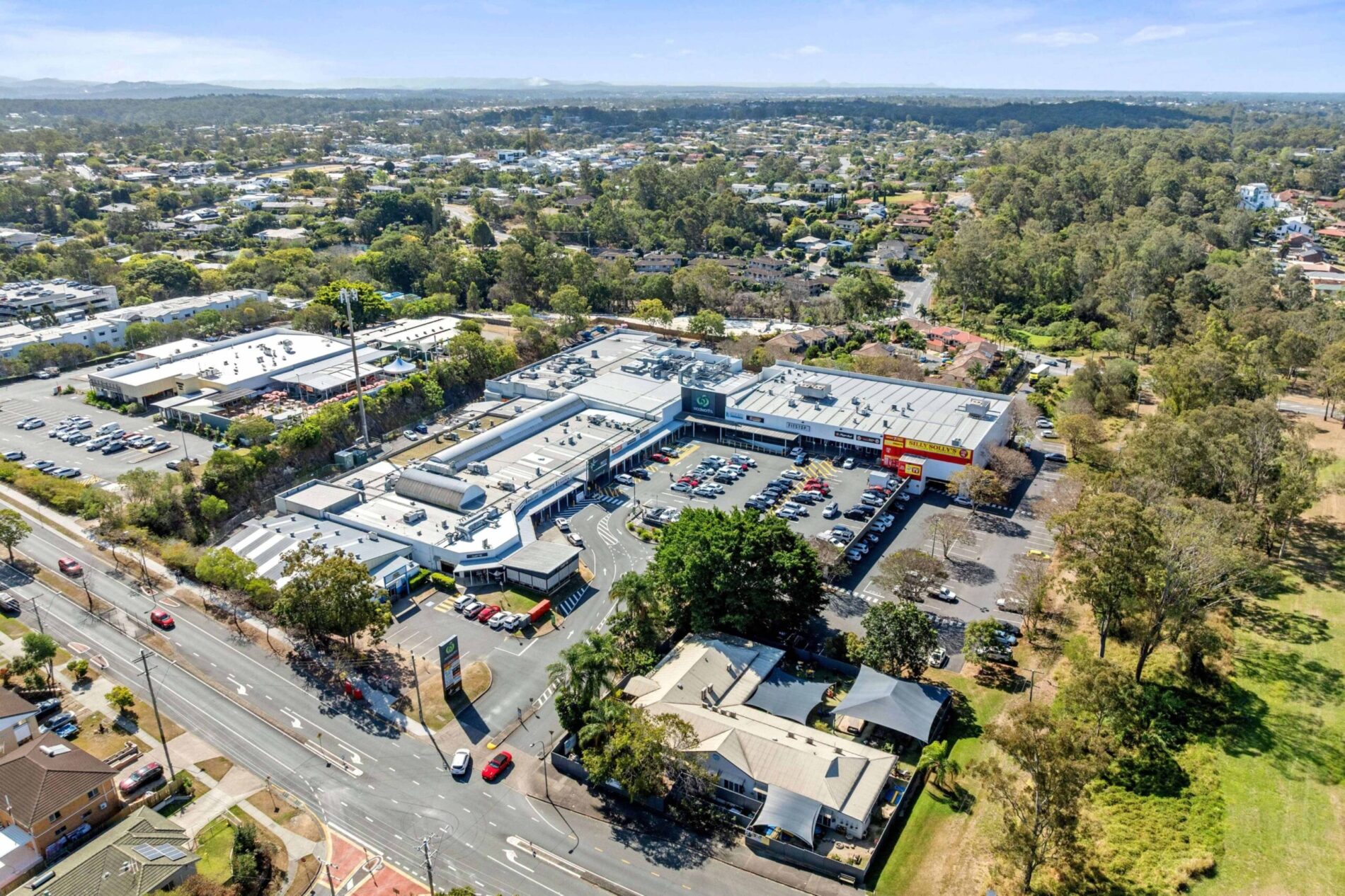
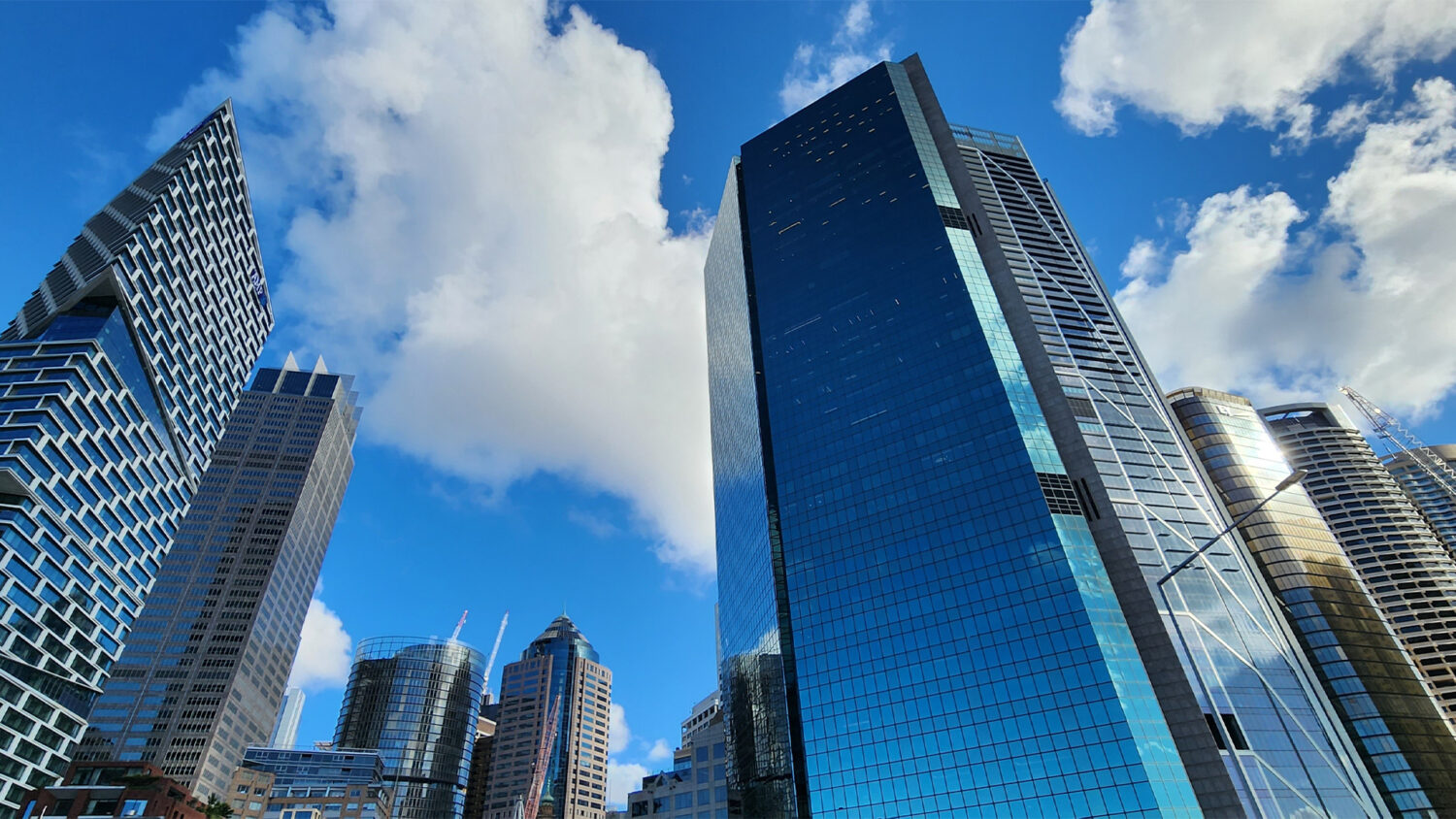
Among the year’s headline transactions, Melbourne-based syndicator Fawkner Property agreed to acquire the Erina Fair shopping centre on the NSW Central Coast for about $900 million. In Sydney, ASX-listed GPT Group secured a roughly $860 million half stake in Grosvenor Place, one of the city’s most recognisable office towers. Further momentum may follow, with Australian Retirement Trust in discussions with Scentre Group over a near-$1 billion interest in Westfield Sydney.

Market specialists say clearer price discovery has been a crucial turning point. After office values in some locations fell by 25 per cent or more, investors now appear more comfortable that pricing better reflects the higher cost of capital. MSCI’s head of private assets research for the region, Ben Martin-Henry, notes that stabilising debt markets and improved liquidity have encouraged capital to re-enter multiple sectors.
Retail and office assets have been the biggest beneficiaries of renewed appetite. Shopping centre transactions climbed to around $11.5 billion, while office deals reached $13.4 billion. Industrial property, including logistics facilities and warehouses, eased slightly to $11.4 billion, reflecting a more selective approach after years of outsized growth. Meanwhile, investment in data centres moderated following last year’s record-breaking acquisition of AirTrunk by Blackstone.
Retail emerged as the standout performer, with transaction volumes jumping more than 40 per cent year on year to their strongest level since 2021. Analysts attribute this to resilient income streams, improving consumer fundamentals and reduced valuation risk compared with recent peaks.
Offshore capital has played a pivotal role in the recovery. CBRE estimates foreign investment reached $9.3 billion this year, up 12 per cent, with office and industrial assets accounting for more than 70 per cent of inflows. North American investors led activity, supported by a weaker Australian dollar and a push for global diversification, while Japanese and Singaporean institutions also increased allocations.
Recent purchases underline that trend. Global investor Barings acquired a Sydney office tower for $360 million, while Singapore-based TrustCapital Advisors bought a Docklands office asset in Melbourne for $383 million. Together, these deals signal growing international confidence in Australia’s transparency, stability and long-term fundamentals.
With interest rates appearing closer to a peak and pricing adjustments largely absorbed, major property groups increasingly describe 2025 as a year of inflection. While risks remain, the return of both local and offshore capital suggests the commercial property cycle is entering a more balanced and constructive phase.
Related Articles