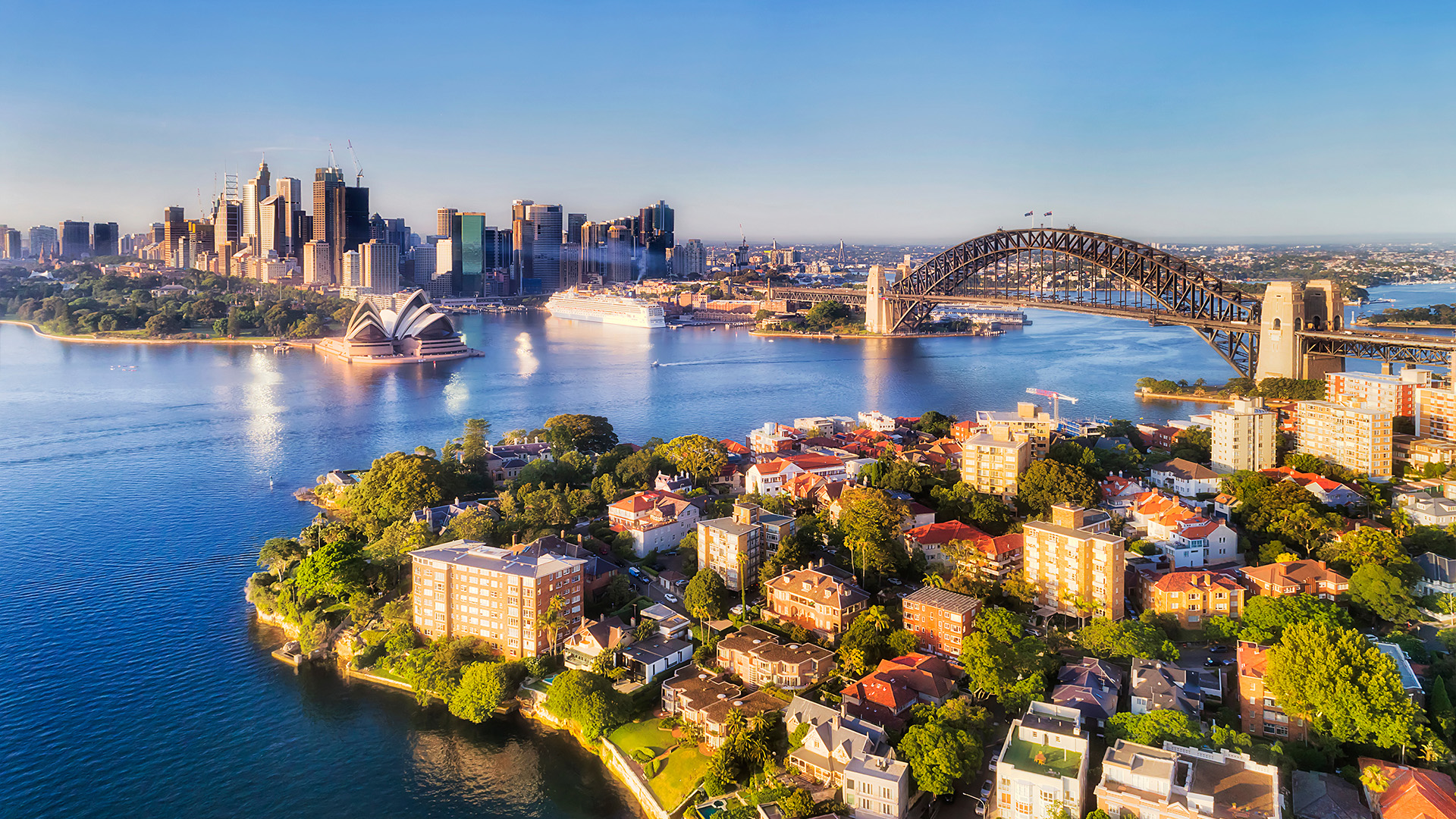
Sydney’s housing market has reached a point where even dual-income couples on average salaries are being priced out of most suburbs within 30 kilometres of the CBD. According to analysis reported by the Australian Financial Review, the city’s affordability line has shifted dramatically westward as median house prices, forecast to reach $1.9 million next year, far outpace wage growth and borrowing power.
New modelling by Cotality shows that a couple earning the median combined income of $213,000 could borrow around $1.175 million while staying below mortgage-stress thresholds. Yet only 28 per cent of Sydney’s 160 house markets fall within that limit. The closest suburb to the CBD deemed affordable is Carramar, around 30 kilometres west, a clear indicator of how limited the options have become for buyers without family financial support.
Cotality’s head of research, Eliza Owen, warns that the affordability gap is creating geographic disadvantage. As buyers are pushed further out in search of attainable prices, they face longer commutes, higher transport costs and reduced access to jobs and amenities. While units remain accessible for around 80 per cent of the hypothetical buyers assessed, Owen notes that many apartments are too small, lack long-term capital growth potential, or are burdened by strata complexities. Larger three-bedroom units suitable for growing families remain chronically scarce.

The widening divide is exacerbated by surging demand and insufficient housing supply. Economists point to years of constrained planning, zoning restrictions and council-level resistance to density as major drivers of the crisis. Chief economist Peter Tulip argues that supply has lagged demand by roughly one percentage point annually, compounding price pressures and leaving builders unable to meet the needs of new households. He stresses that international evidence overwhelmingly supports the affordability benefits of increasing supply, including through higher-density developments.
The NSW government has launched a suite of planning reforms to compel higher-density housing in well-serviced suburbs, particularly in high-demand areas across Sydney’s north and east. However, this has triggered intense backlash from local councils and residents concerned about heritage impacts, construction activity and perceived risks of “overdevelopment.” Legal challenges and council-led alternative plans, such as Ku-ring-gai’s negotiated density proposal, highlight the political complexity of unlocking supply in established suburbs.
Despite resistance, the Minns government maintains that simplifying planning rules and redistributing development closer to transport, jobs and infrastructure is essential to reversing Sydney’s trajectory as one of the world’s least affordable major cities. Current data suggests it now takes nearly 17 years to save a deposit on a median-priced Sydney home, with mortgage repayments consuming more than two-thirds of an average household’s income under traditional lending measures.
The emerging affordability line paints a stark picture: Sydney is becoming a city increasingly accessible only to those with existing property wealth, family assistance or exceptional incomes. Without sustained, coordinated policy action to lift supply and rebalance housing opportunities, experts warn the divide between property owners and aspiring buyers will continue to widen, along with the geographic boundary that separates who can live near the city and who cannot.
Related Articles